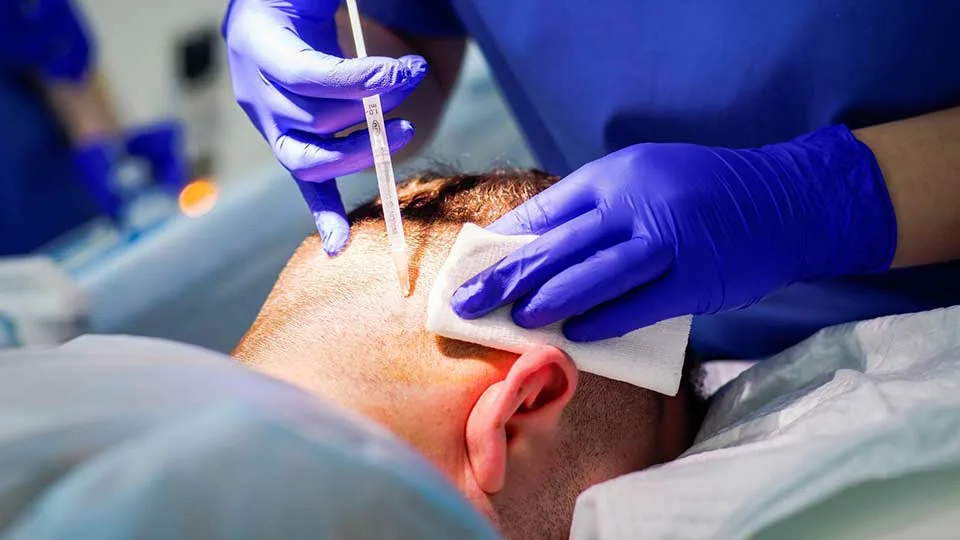
Hair transplant techniques are those procedures where healthy hair follicles are transferred surgically from the donor region, which is normally at the sides and back of the head, to an area where there are cases of hair thinning or balding. This has resulted in the development of different types of hair transplant techniques over the years since patients differ in hair loss patterns, donor hair, scalp and preferences. This explains why FUE, FUT, DHI, Sapphire FUE and No-shave FUE are all in use instead of one procedure wiping out the others. This means that these types of hair transplant procedures have their unique strength and weaknesses.
What Are the Main Hair Transplant Methods?
The most commonly discussed hair transplant methods are FUE, FUT, DHI, Sapphire FUE and No-Shave FUE. FUE and FUT describe two different extraction approaches, individual follicles versus a strip of scalp tissue. DHI is mainly a distinction in how grafts are implanted, using a specialized pen-like tool. Sapphire FUE is a variation of standard FUE that uses sapphire blades for the incisions, and No-Shave FUE refers to a way of performing FUE without shaving the entire scalp. These terms sometimes overlap because they describe different stages of the same overall procedure.
FUE Hair Transplant
FUE, short for Follicular Unit Extraction, is considered among the most common hair transplant procedures. This type of hair transplant involves the removal of hair follicles on one-by-one basis with the help of a special circular punch.
Due to the extraction of hair follicles individually, the marks left behind from FUE procedure are smaller and scattered in nature instead of one single scar line. Healing period can vary from patient to patient, but many people consider it comfortable to heal. FUE can be a good choice for people who have shorter hair styles, because there is no linear scar formation.
FUT and DHI Hair Transplant
FUT Hair Transplant
FUT, or Follicular Unit Transplantation, involves removing a strip of scalp tissue from the donor area under local anaesthetic. The strip is then divided under magnification into individual grafts, which are implanted into the recipient area. Because the donor site is closed with sutures, FUT typically leaves a linear scar along the back of the scalp. This is usually concealed by surrounding hair, though it is worth discussing if hair is worn very short.
DHI Hair Transplant
DHI, or Direct Hair Implantation, uses a similar extraction process to FUE but changes how grafts are placed. Instead of creating incisions first and inserting grafts afterward, a specialised implanter pen places each follicle directly into the scalp. Supporters of this technique suggest it allows more control over the depth, angle and direction of placement. Whether DHI is the right hair transplant technique for a given patient depends on the extent of hair loss and the surgeon’s assessment at consultation.
Sapphire FUE and No-Shave FUE
Sapphire FUE
Sapphire FUE is a refinement of the standard FUE method. Instead of steel blades, the surgeon uses blades made from sapphire crystal to create the recipient site incisions. These are often described as producing finer, more precise cuts. Even so, outcomes depend heavily on the skill and experience of the medical team, not on the blade material alone.
No-Shave FUE
No-Shave FUE allows follicles to be extracted without shaving the surrounding scalp, keeping existing hair long enough to cover the treated area during healing. Many patients choose this option for privacy or to return to work sooner without an obvious change in appearance. It is not automatically suitable for everyone, since graft numbers and donor density can affect whether it is practical.
How Much Does Hair Transplant Cost in Dubai?
Hair transplant cost in Dubai varies from one patient to another, so it would not be accurate to quote a single fixed price for every case. Several factors typically influence the final cost:
- Number of grafts needed for the desired coverage
- The technique selected, such as FUE, FUT, DHI or Sapphire FUE
- The degree and pattern of hair loss being treated
- The clinic’s experience, technology and medical team qualifications
- Overall case complexity, including any previous transplant history
- Consultation and aftercare included in the treatment plan
- Additional supporting treatments recommended, such as PRP therapy
Because pricing is largely tied to graft numbers and procedure time, clinics usually give an accurate quote only after a scalp assessment. When comparing quotes, it helps to check exactly what is included, such as follow-up visits and aftercare, rather than comparing headline prices alone.
Which Hair Transplant Method Is Right for You?
There is no universally best hair transplant method. The right choice depends on a combination of individual factors, including:
- Pattern and stage of hair loss
- Amount of healthy donor hair available
- Number of grafts required
- Natural hair characteristics, such as thickness and curl
- Desired density and realistic coverage goals
- Hairline design preferences
- Whether the patient has had a previous transplant
- Personal preference around shaving the scalp
A qualified hair restoration professional should examine the scalp and review medical history before recommending a specific technique. Patients considering treatment in Dubai can review the hair transplant services available locally as part of that research, alongside a proper consultation.
Hair Transplant Recovery and Results
Hair transplant recovery generally follows a predictable pattern, though timelines vary between individuals. Mild redness and swelling are common in the first few days, followed by scabbing around the newly placed grafts. Many patients also notice temporary shedding a few weeks later, a normal part of the natural hair growth cycle rather than a sign of failure. New hair grows in gradually over the following months, and following aftercare instructions closely supports better results.
FAQs About Hair Transplant Methods
FUE is currently one of the most widely performed hair transplant methods because it avoids a linear scar and often suits a range of hair loss patterns and lifestyles.
FUE separates extraction and implantation into two steps, while DHI uses an implanter pen to place follicles directly after extraction, which can offer more control over graft placement.
Cost depends on graft numbers, technique, hair loss severity and clinic expertise, so an accurate figure is only possible after a scalp assessment and consultation.
Initial shedding is normal in the first few weeks, with new growth typically becoming visible over several months as the transplanted follicles establish themselves.
Transplanted follicles are generally resistant to the hormonal factors that cause pattern hair loss, so results are considered long-lasting once new growth is established.