
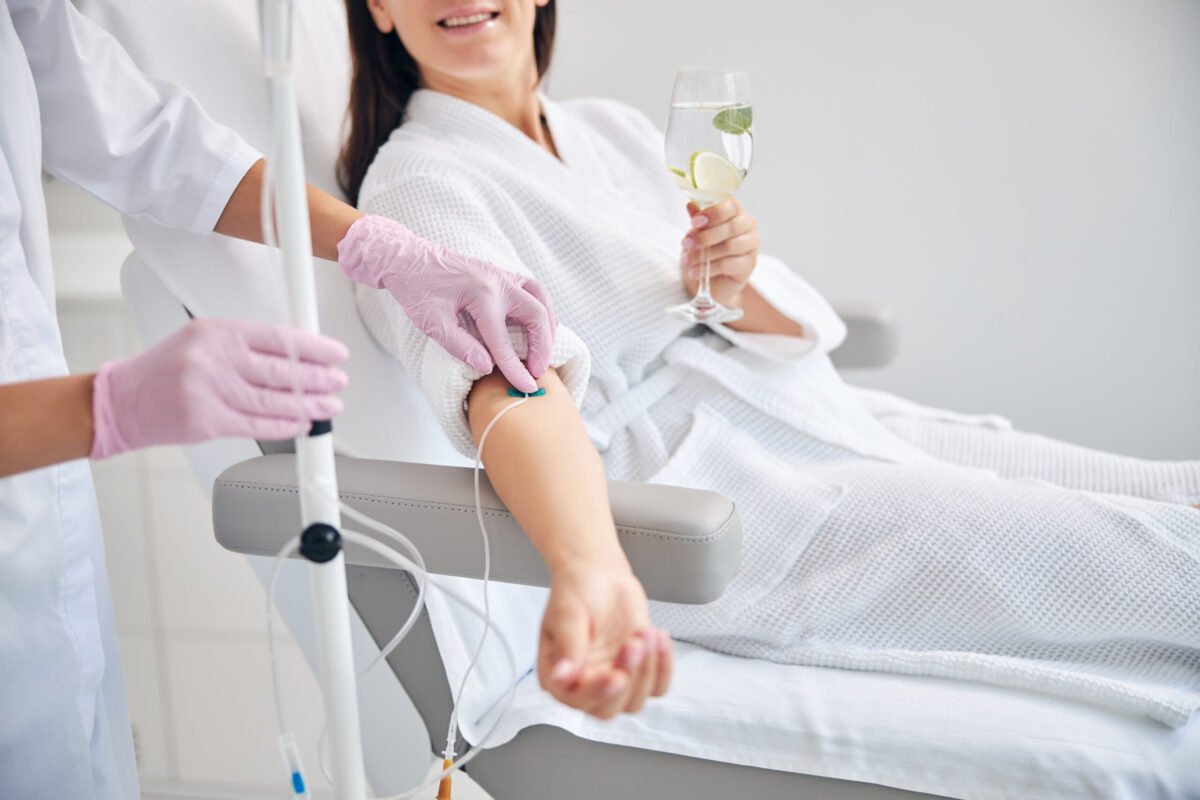
An IV drip in Dubai is now one of the most searched wellness treatments in the country, and interest keeps growing. Dubai’s heat, long working hours and frequent travel make the idea of a quick “top-up” appealing. But what can an IV drip really do, and who should think twice? This guide gives you a clear, balanced view.
What Is an IV Drip?
An IV drip delivers fluids, vitamins and minerals straight into a vein through a thin cannula. Hospitals have used intravenous therapy for decades to treat dehydration and deficiencies.
Wellness IV drips use the same method for non-emergency goals, such as rehydration after illness or supporting energy. Because the fluid bypasses the gut, nutrients reach the bloodstream directly.
What Types of IV Drips Are Available?
Most Dubai clinics offer a menu built around a few common goals. At Sasha, these include:
- Hydration and energy: Usual goal: Rehydration after heat, travel or illness. Common ingredients: Saline, electrolytes, B vitamins.
- Immunity boost: Usual goal: Support during busy or run-down periods. Common ingredients: Vitamin C, zinc.
- Skin radiance: Usual goal: Skin-focused antioxidant support. Common ingredients: Vitamin C, glutathione.
- Energy infusion: Usual goal: Support for tiredness. Common ingredients: B vitamins, magnesium.
Exact formulas vary by clinic and should be tailored after a medical check.
What Are the Realistic Benefits?
IV drips can genuinely help in some situations:
- Fast rehydration when you are dehydrated and cannot drink enough, for example after a stomach bug
- Correcting a confirmed deficiency that oral supplements have not fixed
- Feeling refreshed after travel, heat exposure or a demanding week
What IV Drips Cannot Do
It is just as important to be honest about the limits.
- They do not replace a balanced diet, sleep or medical treatment.
- If you are not deficient, extra vitamins are mostly excreted.
- Claims about “detox,” dramatic weight loss or curing disease are not supported by strong evidence.
A responsible clinic will tell you if you do not need a drip.
Who Should Avoid IV Drips?
IV therapy is not for everyone. Talk to a doctor first if you have:
- Heart or kidney disease
- High blood pressure that is not well controlled
- Pregnancy or breastfeeding
- Allergies to any ingredients
- A history of fluid or electrolyte problems

What Happens During a Session?
A typical appointment follows these steps:
- Medical screening. A clinician checks your history, blood pressure and goals.
- Choosing the drip. The formula is matched to your needs, not just picked from a menu.
- Cannula insertion. A small needle places a soft tube in your arm.
- The infusion. You relax for around 30 to 60 minutes.
- Aftercare. The cannula is removed and a small dressing applied.
You can usually return to normal activities straight after.
Are There Any Side Effects?
Most people feel fine. Possible side effects include:
- Bruising or soreness at the needle site
- A cool feeling in the arm during the drip
- Lightheadedness, especially if you have not eaten
- Rarely, infection or vein irritation
These risks are why drips should only be given by licensed clinicians in a medical setting.
How Much Does an IV Drip Cost in Dubai?
Prices vary widely depending on the ingredients, the clinic and whether the drip is given in-clinic or at home. Specialised drips with premium ingredients cost more than basic hydration. Ask for the full ingredient list and dose so you can compare like for like.
You can see the drips we offer on our IV therapy page in JVC.
How Do You Choose a Safe IV Drip Provider?
Not every IV service in Dubai offers the same standard of care. Before you book, check that:
- The provider is a licensed medical facility or a licensed home-care service
- A doctor or licensed nurse screens you before the drip starts
- Every ingredient and dose is listed clearly
- Sterile, single-use equipment is opened in front of you
- Someone monitors you throughout the infusion
If a provider skips the health check, treat that as a warning sign.
How Often Should You Have an IV Drip?
There is no single schedule. Someone recovering from illness might need one drip. Others book occasionally during peak summer or busy periods. Regular, frequent drips should only happen with a doctor’s clear reason, ideally guided by blood tests.
For a look at our wider wellness and aesthetic services, visit the Sasha Aesthetic Clinic.
Is an IV Drip the Right Choice for You?
An IV drip can be a useful, fast way to rehydrate or correct a real deficiency. It is not a shortcut to health. The best results come when a clinician screens you first, explains what is inside and tells you honestly whether a drip will help.
To discuss your options, contact our JVC clinic and speak with a licensed clinician.
Frequently Asked Questions
Most drips take around 30 to 60 minutes. Allow extra time for the medical check beforehand.
They work well for rehydration and correcting confirmed deficiencies. Benefits for healthy, well-nourished people are less certain.
You may feel a brief pinch when the cannula goes in. Most people find the rest of the session comfortable.
A doctor must assess this carefully first. Many wellness drips are not recommended during pregnancy.
People who are dehydrated often feel better within hours. Other effects, if any, vary from person to person.