Clogged pores and stubborn breakouts are among the most common reasons people book a facial in Dubai. Heat, humidity and layers of sunscreen all affect how skin behaves here. If you keep wondering whether a HydraFacial can really clear blackheads or calm acne, you deserve a straight answer.
Here it is: a HydraFacial works well for blackheads and can support mild acne, but it does not cure active or severe acne. This guide explains why and what results you can realistically expect.
What Is a HydraFacial and How Does It Work?
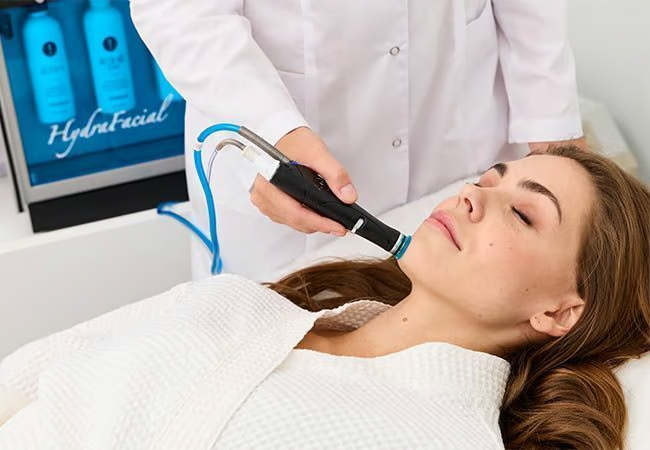
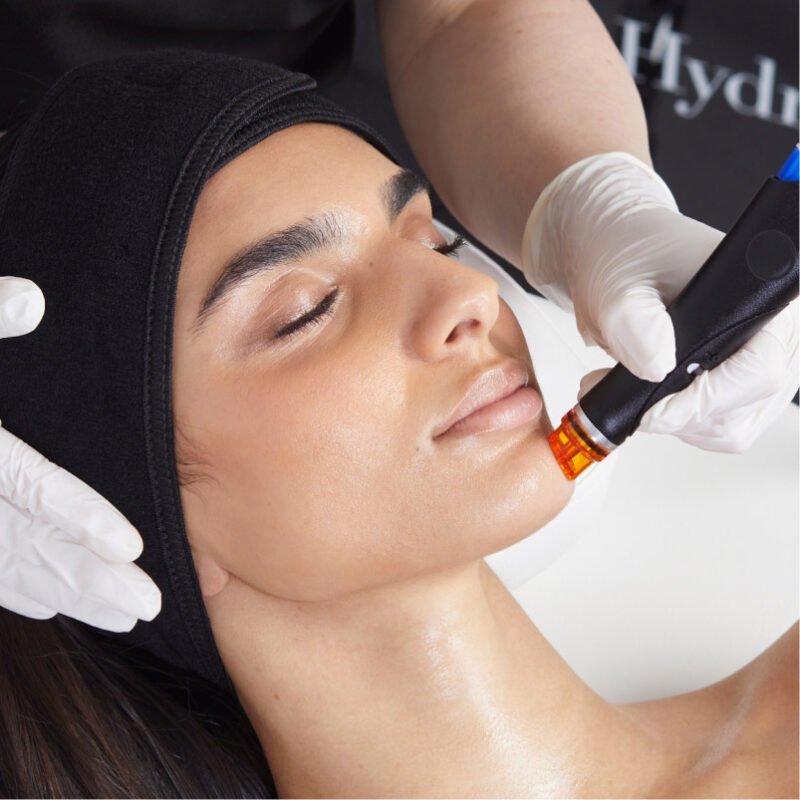
A HydraFacial is a medical-grade facial that uses a patented device with a spiral, vortex-style tip. It cleanses, exfoliates, extracts and hydrates in one session. Instead of squeezing pores by hand, it uses gentle suction, which puts less pressure on the skin.
A standard session usually follows four steps:
- Cleansing and exfoliation: removes dead skin cells and surface oil.
- Gentle acid peel: typically a blend of glycolic and salicylic acid that loosens debris inside the pores.
- Vacuum extraction: lifts out blackheads, excess oil and impurities.
- Hydration: infuses serums with antioxidants and hyaluronic acid.
Most sessions take 30 to 60 minutes, and you can return to your normal routine the same day.
Can HydraFacial Clear Blackheads?
Blackheads are where this treatment performs best. A blackhead, known medically as an open comedo, forms when oil and dead skin cells plug a hair follicle. The exposed surface then darkens as it reacts with air.
Because the HydraFacial pairs a salicylic acid peel with suction, it can:
- Soften hardened oil sitting inside the pore
- Remove a visible portion of blackheads in a single session
- Make pores on the nose, chin and forehead look cleaner and less noticeable
- Reduce the temptation to pick or squeeze at home, which often causes marks
Your skin keeps producing oil, so blackheads will return over time. The treatment clears existing congestion, while your home routine decides how quickly it builds up again.
Is HydraFacial Good for Acne-Prone Skin?
It depends on the type and severity of your acne. The treatment suits congestion-driven breakouts far better than deep, inflamed acne.
When It Can Help
- Mild comedonal acne, meaning mostly blackheads and whiteheads
- Oily skin that clogs easily, especially across the T-zone
- Occasional breakouts linked to buildup and congestion
- Dull, uneven texture once breakouts have settled
When It May Not Be Suitable
- Painful cysts or nodules under the skin
- Widespread, pus-filled breakouts
- Skin currently treated with isotretinoin or strong prescription retinoids
- Broken skin, active infection or a rosacea flare
In these situations, suction and exfoliation can irritate already inflamed skin. A doctor will often treat active acne medically first, then introduce facials later to help maintain clearer skin.
What Results Can You Expect from a HydraFacial Treatment?
Right After Your First Session
- Visibly cleaner pores, especially around the nose
- Smoother texture and a more hydrated, comfortable feel
- Mild redness for a few hours in some people
After a Course of 3 to 6 Sessions
With sessions spaced a few weeks apart, many people notice fewer clogged pores, steadier oil levels and a more even skin tone. Results vary with skin type, hormones, lifestyle and home care.
For example, someone with an oily T-zone and blackheads across the nose often sees the biggest change after the first visit. A person with recurring jawline breakouts usually needs several sessions alongside a consistent routine before the skin feels more stable.
What a HydraFacial Will Not Do
- Remove deep or pitted acne scars, which usually need microneedling or laser treatments
- Replace acne medication prescribed by your doctor
- Permanently stop blackheads from forming
How Many HydraFacial Sessions Do You Need for Acne?
There is no fixed number, but these general patterns are common:
- Congested skin with blackheads: one session roughly every four weeks
- Mild acne: a series of four to six sessions spaced two to four weeks apart, followed by maintenance
- Maintenance for clear skin: one session every four to six weeks
How Should You Prepare for and Care for Your Skin After Treatment?
Small steps before and after your appointment make a real difference to your hydrafacial benefits.
Before Your Appointment
- Pause retinoids and exfoliating acids for two to three days, or as advised
- Avoid facial waxing, peels or laser treatments for about a week
- Tell your practitioner about any medication, allergies or recent skin reactions
After Your Appointment
- Skip heavy makeup for the rest of the day where possible
- Apply a broad-spectrum sunscreen of SPF 30 or higher, especially under the Dubai sun
- Avoid saunas, steam rooms and intense workouts for 24 to 48 hours
- Choose a lightweight, non-comedogenic moisturiser
- Resist touching or picking at your skin
Why Does a Professional Skin Assessment Matter?
Acne has many triggers, including hormones, genetics, stress and the products you use. A proper consultation checks your skin type, the kind of breakouts you have and any treatments you already use.
At Sasha Aesthetic Clinic, a DHA-licensed aesthetic clinic in JVC Dubai, treatment plans start with this kind of assessment. Practitioners customise the peel strength, serums and session frequency to suit your skin rather than following a one-size-fits-all routine.
If you are comparing options for a HydraFacial in Dubai, ask each clinic a few practical questions. Who performs the treatment? Do they use a genuine HydraFacial device? How do they adjust the session for acne-prone skin?
Building a Realistic HydraFacial Plan for Clearer Skin
A HydraFacial is a reliable way to clear blackheads and support skin that clogs easily. It gives you cleaner pores and smoother texture from the first session, with steadier results over a planned course. It works best alongside daily cleansing, sun protection and medical care when acne is moderate or severe.
Start with an honest skin assessment, set realistic goals and stay consistent with aftercare. That combination gives you the best chance of clearer, healthier-looking skin.
Frequently Asked Questions
Most people describe the suction as a light pulling or cool sensation rather than pain. Areas around the nose may feel slightly tender for a short while afterwards.
Some people notice a few small breakouts within days as trapped congestion rises to the surface. This usually settles quickly, but ongoing flare-ups should be checked by your practitioner.
Cleaner pores and a hydrated glow typically last around one to four weeks. Regular sessions and a consistent home routine help you keep those results for longer.
Clinics often treat teenagers with mild congestion after a skin assessment and parental consent. Moderate or severe teenage acne usually responds better to a dermatologist-led medical plan.
Practitioners often pair it with LED therapy, chemical peels or prescribed topical products. Timing matters, so always share your full skincare and medication list before booking.